
终极三国
英超伦敦德比,主帅“握手不言和”_我的网站

A |
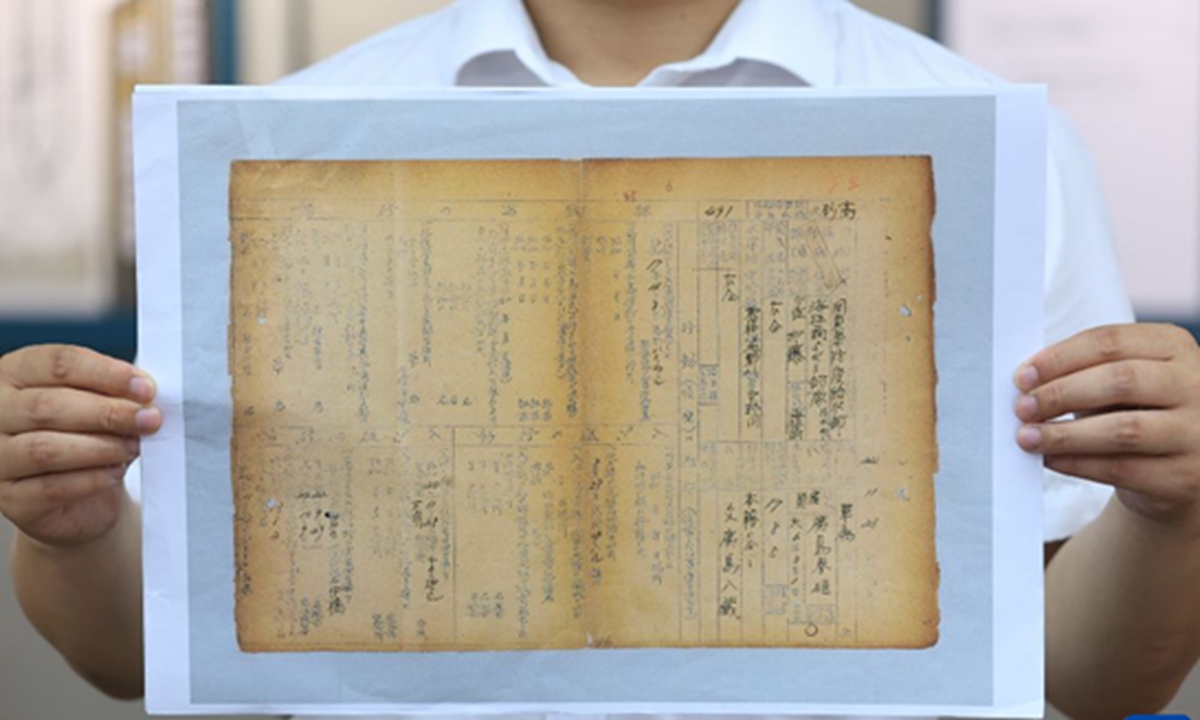
Newly released wartime records from the Hailar branch of Japan's notorious Unit 731 reveal how the Japanese military disguised biological warfare personnel as conventional infantry troops to conceal secret operations, including human experimentation.
The Exhibition Hall of Evidences of Crime Committed by Unit 731 of the Japanese Imperial Army released on Wednesday a 185-page archive of "personal background declaration" from the Hailar branch of Unit 731, also known as "Manchuria Unit 543". The documents show that the Japanese military concealed its biological warfare operations under the guise of conventional infantry units and shed new light on the Soviet Union's continued efforts after World War II to investigate and prosecute Japanese biological warfare crimes.
Unit 731 was a top-secret biological and chemical warfare research base established as the nerve center for Japanese biological warfare in China and Southeast Asia during WWII. At least 3,000 people were used in human experiments conducted by Unit 731, and more than 300,000 people in China were killed by Japan's biological weapons, according to the Xinhua News Agency.
The Japanese Kwantung Army established five branches of Unit 731 in Northeast China - in Hailar, Sunwu, Mudanjiang, Linkou and Dalian. Located in the northeastern part of the Inner Mongolia Autonomous Region, near China's borders with Mongolia and the Soviet Union, the Hailar branch served as a frontline base of the Japanese imperialist army for potential biological warfare operations against the Soviet Union.
The newly released 185-page archive contains key information on 156 members of the Hailar branch of Unit 731, including their names, military ranks, dates of enlistment, duties, transfers and postwar whereabouts. Researchers said the documents constitute first-hand official records for studying the branch's personnel structure and operations.
Jin Shicheng, a researcher at the Exhibition Hall, said the study produced two major findings. First, the documents reveal that the Japanese military recruited personnel under the cover of ordinary infantry units to conceal biological warfare activities. Some personnel, for example, were recruited under the names of conventional units such as Manchuria Unit 97, Unit 177 and Unit 201. They were then sent to Unit 731 headquarters for three months of training before being assigned to the Hailar branch. The deceptive recruitment system was intended to conceal the crimes committed by Unit 731, including human experimentation.
Moreover, the archive provides evidence of continued postwar investigations into Japanese biological warfare crimes. Of the 156 personnel listed in the documents, 145 were captured by Soviet forces after the war and detained in the Soviet Union. Four were tried in Khabarovsk between April and September 1950. The researcher said the records show that Soviet investigations and judicial efforts concerning Japanese biological warfare crimes continued after the trial held in 1949.
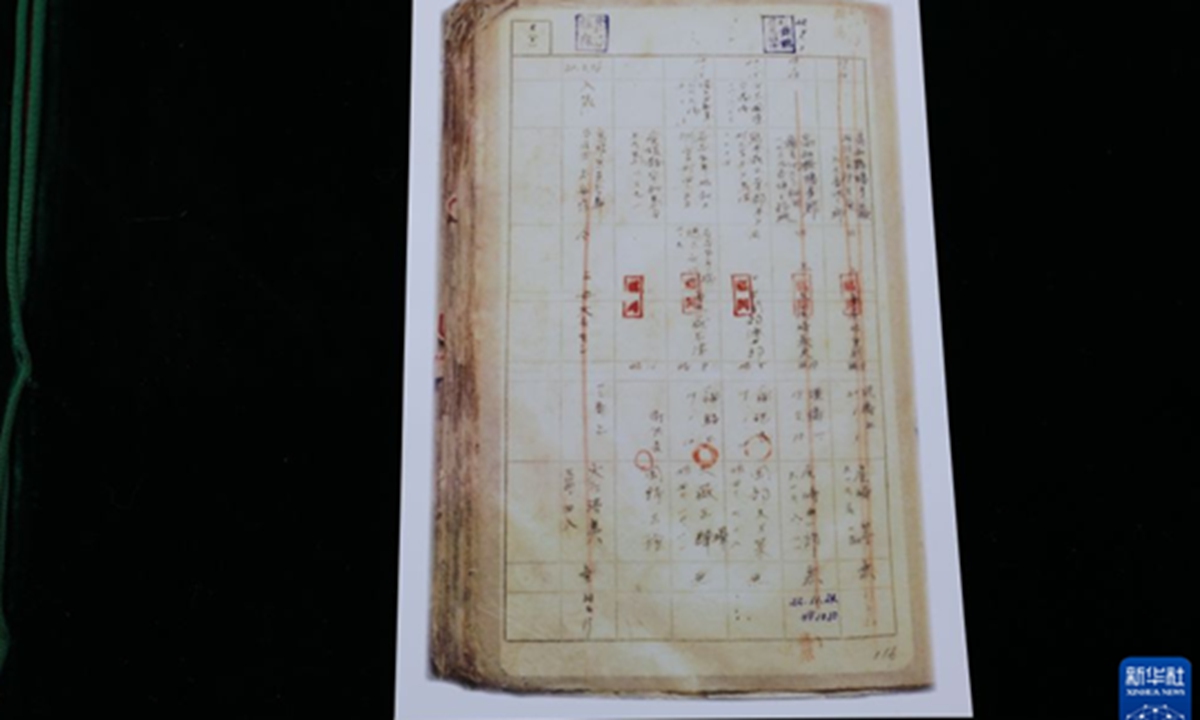
A photo published by Xinhua showed a record on medic Tanizaki Hitoshi in the "personal background declaration" records of Unit 731's Hailar branch. Tanizaki, originally named Ozaki Hitoshi, is documented in historical records that, together with his oral testimony, form a chain of evidence further substantiating the crimes committed by Unit 731.
Experts said the new revelation of the Hailar branch deepens research into Unit 731 and, together with previously obtained oral testimony from former members, form a broader chain of evidence. The official records exposed the efforts by the Japanese military to disguise their crimes against humanity and provided further evidence of the state-organized system behind Japan's biological warfare program, while adding important material to research on Unit 731 and postwar prosecutions.
Global Times
。英国广播公司(BBC)称,主帅在场边进行庆祝或挑衅本不是新鲜事,但两人的表现恐怕会让曾执教过热刺和切尔西的“狂人”穆里尼奥都感到惊讶。

B | 本场比赛是本赛季英超“BIG 6”之间的首次碰撞,比赛结果在很大程度上左右联赛前四名的归属,最终两队2∶2战平。双方主帅两次爆发冲突:热刺在下半场第68分钟扳平比分点燃两位主帅之间的战火,在赫伊别尔攻破切尔西球门前,热刺球员的铲断和门前干扰未被吹犯规,这让图赫尔非常不满。孔蒂挥舞拳头的激情庆祝更是激怒图赫尔,双方由此展开第一次冲突。在当值主裁与视频助理裁判沟通后,确定进球有效,并向双方主帅出示黄牌。全场比赛结束后,两位主帅爆发更激烈的冲突,图赫尔紧握对方右手不放(如图),两人再度激烈争吵,这一次主裁判向双方都亮出红牌。图赫尔赛后解释称:“我认为双方在握手时,大家都要看着对方的眼睛,但孔蒂似乎并不这么认为。这张红牌没有必要,今天很多的判罚都没有必要,这只是主裁判另一个糟糕决定。”英国《每日电讯报》15日称,英足总正调查图赫尔针对当值主裁判的一系列言论。图赫尔表示自己与孔蒂并不存在个人恩怨,孔蒂也在赛后新闻发布会上淡化这次冲突,“最重要的永远是足球和比赛本身”。

C | ESPN指出,两位主帅将在本周末英超比赛中被停赛。对于切尔西和热刺而言,这场“主帅握手门”闹剧只是英超新赛季的小插曲。切尔西的美国新老板在斯坦福桥球场看到球迷打出巨大横幅:“伯利,欢迎来到欢乐之家”。

D | 自接手球队后,伯利已在转会市场上砸出近1.7亿英镑。

E | BBC认为,库利巴利和斯特林两位新援在场上证明了价值,切尔西的阵型比以往更加紧凑。客战拿下1分的热刺也展示出自身实力。

F | “在最后时刻扳平比分,热刺在孔蒂的调教下证明了自己。”BBC分析称,从比赛上半场来看,热刺的防线很容易被对手打穿,孔蒂认识到这一问题并及时做出调整。

G | 夏季转会窗口加盟的6名新援增加了球队板凳深度,热刺本赛季阵容更具灵活性。

H |
Current article:http://twlm.shangfochengcongshuaizhuang.buzz/list_omii/jjhyu9b.html
Published on:13:32:57
我的网站最近更新
- 聚变生态联盟成立,19家产业链企业及投资机构入盟
- Winter is Coming: German Economy Doomed in Wake of Anti-Russian Sanctions, Scholars Say
- Ecuadorian president to pay state visit to China; trip to consolidate high‑level mutual trust, forge more cooperation consensus: expert
- 两名乌军官企图暗杀泽连斯基被抓,美俄回应来了
- TOKEN2049新加坡站:加密货币与区块链行业巅峰盛会即将启幕
- 越会用AI的人,学习能力退化得越快
- Ram Charan Undergoes Surgery Under His Eyelid
- 快乐寒假 健康“童”行——冬春季常见传染病预防及食品安全指南
- 重庆28岁宝妈带俩孩子摆地摊登上新华社,博主转五万,网友哭了
- 白山市大乐透一等奖得主现身领奖
- Shanghai Port conducts first dual-vessel, dual-fuel bunkering operation at offshore anchorage
- 福彩暖童心 他乡亦故乡——福彩公益金赋能铅山“天使驿站”守护流动儿童成长
- 考文顿自曝淡出NBA缘由:三年监护权纠纷压垮自己 曾7万美金包机探望女儿
- G1火箭85-95不敌勇士 球员评价:申京满分,5人及格,2人崩盘
- 生意社2026年8月26日甲醇行情观点:震荡整理
- Depp Set to Return to Pirates of the Caribbean After Defamation Trial Win Against Heard - Report
- 移动App更新暗示特斯拉将再次推出老带新购车奖励计划
- Intel Core i9-9990Xe曝光:频率高达5.0GHz,仅用于拍卖
- 2026 World Robot Conference opens in Beijing(1/4)
- 湖人120亿再次转手,新老板为特朗普女婿的亲弟弟
- 沿用DeepSeek架构,美国大模型开始抄中国作业
- Africa's Tallest Mountain to Get High-Speed Internet
- 灵巧手:人形机器人真正落地的那道关
- B'desh will get stuck in China's debt trap like SL & Pak: Media expert
我的网站热门资讯
- 上海前7个月实现进出口3万亿元,同比增长17.7%
- Strike talks break off between Hollywood actors and studios
- 太阳能电池板突起火 专家:与安全安装息息相关
- 河北出台自然岸线占用补偿管理办法
- 库里突然更换头像引热议 巴特勒回应称:这是冒牌货+都别被骗了
- 马斯克预言:全球经济衰退可能持续到2024年春天
- 从岛内热捧大陆电影到两岸影业深度交流:“光影同舟”前景无限!
- 体彩助力添活力 济源全民健身掀热潮
- 人类400米世界纪录被机器人全面超越
- 乘坐这两趟火车的人员,请立即报备并核酸检测!
- 午后拉涨!安踏上半年大赚近百亿元
- 广东多地遭遇强降雨 保险机构收到报案1.18万件
- EU seeks answers to rising security challenges as Israel-Hamas war fuels new concerns
- 【仓单】8月26日郑商所红枣期货仓单较上一日下降248张
- 能独立抽血的机器人获FDA授权
- 港股午评:恒生指数跌0.25%,恒生科技指数跌0.75%
- 发改委今年披露了我国重点投资“建设”的五个方面:加快5g商业用途等。
- 《丝路珠语——古代珠子特展》在榕开展
- 雷神追逐笔记本911Pro公开预售:窄边框/RTX 2070,15999元
- 飞来飞去的咋踢嘛?圣保利主场旁边游乐场狂欢,药厂官推调侃
- 巴基斯坦陆军参谋长将访问伊朗
- 交通运输部维持强降雨二级防御响应
- 湖人前老板麻烦缠身 资产无一安全&有坐牢可能性
- 风雪中坚守,撑起通信“保护伞